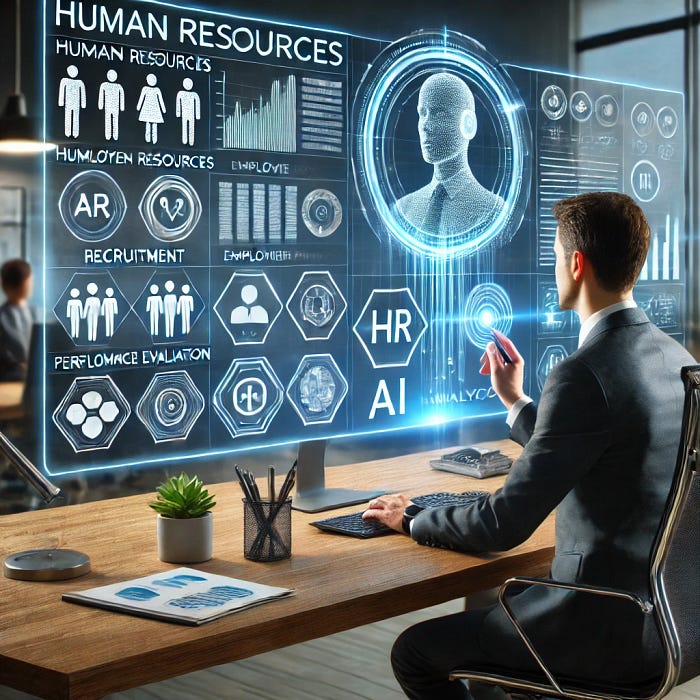
Artificial intelligence is transforming many fields, and human resources is no exception. Companies are harnessing AI to streamline their HR processes, improve decision-making, and enhance employee experiences. By identifying key HR processes to automate and incorporating worker feedback, businesses can successfully implement AI technologies.
The successful implementation of AI in HR begins with careful planning and a clear strategy. Understanding which areas of HR will benefit most from automation is crucial. Communicating clearly about the changes, ensuring data quality, and involving employees in the process are essential for success.
Key Takeaways
- Careful planning is essential for effective AI implementation in HR.
- Involving employees in AI processes enhances success.
- Clear communication and data accuracy are crucial.
Laying the Groundwork for AI in HR
Implementing AI in HR requires a strategic approach. This involves understanding the technology’s capabilities, preparing the organization, and choosing specific HR functions to enhance with AI.
Understanding AI Capabilities
Before deploying AI, it’s essential to grasp what AI can do within HR. AI technologies can automate repetitive tasks, analyze large data sets, and provide insights to improve decision-making. For instance, AI can streamline resume screening, reducing manual effort and time.
AI’s capacity for data analysis helps in identifying trends and patterns that humans might miss. It can offer personal recommendations for employee development, enhance recruitment strategies, and improve employee engagement. By integrating AI, companies can ensure more informed HR processes, leading to better outcomes.
Understanding these capabilities aids in setting realistic expectations and ensures the technology is put to best use.
Assessing Organizational Readiness
Assessing if an organization is ready for AI involves several factors. First, evaluate existing technological infrastructure and determine if it supports AI integration. This may require updating or replacing outdated systems.
Organizational culture also plays a critical role. Teams need to be open to change and willing to learn new technologies. Conduct training programs to close any skill gaps and prepare the workforce.
Resources and budget are other considerations. Implementing AI may require significant investment but offers long-term benefits. Ensuring the necessary support from leadership and aligning AI goals with business objectives are crucial steps in assessing readiness.
Identifying HR Functions for AI Enhancement
To maximize AI’s potential, it’s important to pinpoint where it can be most effective in HR. Start by identifying functions that are data-driven and time-consuming. Recruitment processes, as mentioned in a guide on AI in HR, can benefit greatly from AI by automating resume screening and scheduling interviews.
Employee performance tracking and development plans can also be enhanced. AI tools can assess employee performance through measurable data and recommend personalized learning paths.
It’s important to address areas with measurable outcomes, such as employee retention rates, for maximum impact. By strategically selecting HR functions for AI enhancement, organizations can see significant improvements in efficiency and effectiveness.
Designing the AI Implementation Strategy
Creating a strong AI implementation strategy in HR involves setting clear goals, aligning them with overall business objectives, and constructing a phased plan. Each step requires attention to detail and a thorough understanding of organizational needs.
Setting Clear Objectives
Clear objectives are crucial for any AI strategy. They help teams focus on what they want to achieve. These objectives should be specific and measurable, ensuring everyone knows what success looks like.
Begin by identifying areas in HR that can benefit from AI, like automating repetitive tasks or improving decision-making. Defining these goals helps in structuring the AI strategy effectively.
Involving key stakeholders from the start ensures alignment with the company’s vision. This approach allows for more tailored solutions and smoother implementation.
Aligning AI Goals with Business Strategy
Aligning AI goals with the business strategy ensures that AI initiatives contribute to overall success. HR teams should work closely with other departments to understand company goals.
The focus should be on how AI can support these goals. For instance, if the company aims to enhance employee satisfaction, AI tools can help by analyzing feedback and providing insights.
Regular communication between HR and executive teams is essential. This ensures that AI projects remain relevant and support the organization’s long-term plans.
Developing a Phased Rollout Plan
A phased rollout plan is key to successful AI implementation. It minimizes risks and allows teams to learn from each stage before moving to the next.
Start with a pilot program focusing on a small part of the HR process. Evaluate its success and gather feedback to refine the approach. This helps in making necessary adjustments for broader implementation.
Gradually expand the AI tools to other areas in HR, ensuring that each step is monitored. This controlled expansion helps in managing any unforeseen challenges efficiently.
Executing the AI Implementation Plan
Implementing AI in HR requires attention to data quality, seamless integration with existing systems, and agile project management approaches. These elements ensure a smooth transition and maximize the benefits of artificial intelligence applications in human resources.
Ensuring Data Quality and Integrity
Data quality is a cornerstone of successful AI implementation in HR. Accurate data ensures that AI systems provide reliable insights and outputs. Organizations must regularly audit their data to check for inconsistencies and errors. This involves removing duplicates, correcting errors, and updating outdated information.
Creating clear data governance policies is essential. Companies should define responsibilities and establish strict protocols for data handling. This not only maintains data integrity but also builds trust in AI-driven processes.
Training HR staff on data management practices helps in maintaining data quality. Employees who understand the importance of clean data can actively contribute to accurate and effective AI implementations.
Integrating AI with Existing HR Systems
Seamless integration of AI with current HR systems is vital. The AI tools should complement existing software rather than disrupt ongoing operations. Assessing compatibility of AI solutions with existing HR platforms is an important initial step.
Organizations should involve both IT and HR teams to ensure technical and functional alignment. Regular communication between these teams aids in identifying potential issues early.
Companies should focus on user-friendly interfaces that simplify the transition. Additional training sessions can help employees get accustomed to the new AI tools, minimizing resistance and improving adoption rates.
Adopting Agile Project Management
Adopting agile project management methodologies can greatly enhance AI project execution. Agile allows for iterative development, enabling teams to adapt to changes quickly and efficiently. Teams work in short cycles, delivering small but functional segments of the project over time.
This method encourages constant feedback, reducing the likelihood of major setbacks. Daily stand-ups and regular review meetings ensure alignment and transparency among team members.
Team empowerment is crucial in agile environments. Empowering team members to make decisions fosters innovation and rapid problem-solving. This approach keeps the project on course and aligns with overall business goals. An agile framework ultimately helps organizations respond to dynamic environments while implementing AI in HR.
Fostering an AI-Ready Culture
Creating a culture ready for AI involves equipping HR teams with essential skills and ensuring that everyone in the organization supports AI initiatives. A well-prepared HR team and strong organizational buy-in are key to handling AI changes effectively.
Training HR Teams on AI Tools
HR teams must be proficient in using AI tools to maximize their potential. Comprehensive training programs should be implemented to educate HR personnel on the latest AI developments. These programs might include workshops, online courses, and hands-on sessions with AI software.
Practical knowledge of AI tools helps HR teams manage tasks like data analysis and employee feedback more efficiently. Additionally, regular training ensures that HR professionals are kept informed about new AI features and best practices. Encouraging continuous learning and providing resources can enhance the team’s capability to leverage AI effectively.
Encouraging Organizational Buy-In
Achieving organizational buy-in for AI initiatives is crucial for successful implementation. Employees at all levels should understand how AI can benefit them and the company. Clear communication about the advantages of AI and addressing any fears or misconceptions is essential.
Involving staff in AI discussions and decision-making processes makes them feel valued and included. This can be accomplished by organizing meetings, workshops, or informational sessions that highlight AI’s role in improving workplace efficiency. By fostering an open dialogue and actively seeking feedback, organizations can build trust and support for AI solutions.
Aligning AI projects with company values and goals also helps in gaining buy-in from all stakeholders.
Measuring Outcomes and Refining Practices
Successfully implementing AI in HR requires a clear understanding of its impact and continuous improvement. Focus areas include measuring AI’s influence on HR performance and refining its use to enhance results.
Evaluating AI Impact on HR Performance
Analyzing AI’s effectiveness in HR involves looking at specific metrics such as time saved, accuracy of data processing, and employee satisfaction. These indicators help HR professionals see where AI tools are making improvements.
By measuring recruitment speed and accuracy, HR can assess how AI automates job matching processes. Cost-effectiveness is another key metric, ensuring AI solutions provide value against their expense.
Surveys and feedback from employees offer insights into the user experience. If staff finds AI tools easy to use, adoption rates increase, driving better performance across HR operations.
Continuously Improving AI Use
Enhancements in AI-driven HR practices require regular audits and updates. HR teams should schedule periodic reviews of AI tools to ensure they align with evolving company goals and employee needs.
Training sessions for HR staff ensure they remain skilled in using advanced AI features. This helps them adapt to updates and emerging technologies, maintaining efficiency.
Fostering an open feedback culture enables employees to share experiences with AI tools. This feedback is crucial for developers to refine product features and fix any challenges. By inviting worker input, companies can tailor AI solutions to better fit their unique environments and drive better outcomes.
Frequently Asked Questions
Artificial intelligence in human resources can reshape how organizations manage their workforce. Understanding successful implementation involves essential steps, challenges faced, and ethical considerations. The impact on traditional HR functions and employee privacy also deserves attention.
What steps are essential for integrating AI into human resource practices?
To integrate AI into HR, organizations should start by identifying specific areas where AI can add value. They need to train staff on new tools and establish clear goals for AI adoption. Collaboration with technology partners and ongoing evaluation of AI applications are also crucial steps.
How can organizations measure the success of AI applications in HR?
Success can be measured by assessing improvements in efficiency and decision-making quality. Tracking performance metrics such as recruitment speed, employee satisfaction, and cost savings offers concrete evidence of AI’s effectiveness. Regular feedback from both employees and HR managers is vital to understanding AI’s impact.
What are the key challenges faced when adopting AI within HR departments?
One major challenge is the resistance from employees who fear job loss due to automation. Data integration issues can also arise, making it difficult to collect and analyze information. Ensuring AI tools comply with legal and ethical standards presents another potential hurdle.
In what ways has artificial intelligence transformed the traditional functions of HR?
AI has enabled automation of repetitive tasks like payroll processing and resume screening, allowing HR professionals to focus on strategic roles. AI-driven analytics help in predicting employee turnover and improving talent management strategies, thereby enhancing overall effectiveness within HR functions.
How does AI in HR impact employee privacy and data security?
AI systems in HR often handle sensitive employee data, raising concerns about privacy and security. Implementing strong data protection measures and ensuring transparency about AI usage are essential. It’s crucial to comply with data protection laws to maintain trust and security.
What ethical considerations should be taken into account when implementing AI in HR processes?
Organizations must consider biases that AI systems can introduce, impacting fairness in recruitment and promotions. Transparent AI usage policies and regular audits can help address ethical concerns. It’s important to ensure that AI does not reinforce existing inequalities within the workplace.
Comments
Post a Comment