Integrating AI into the Workplace: Challenges and Solutions for Gen X, Gen Y and Gen Z Employees - Bridging Generational Gaps in Digital Adaptation
The workplace landscape is rapidly evolving as artificial intelligence transforms how we work across generational lines. Recent studies reveal significant differences in how each generation perceives and adapts to AI integration, with Gen Z and Millennials expressing more concerns about AI's impact on their job security than their Gen X counterparts. Understanding these generational perspectives is crucial for organizations seeking to implement AI solutions that enhance productivity while addressing the unique concerns of each workforce segment.
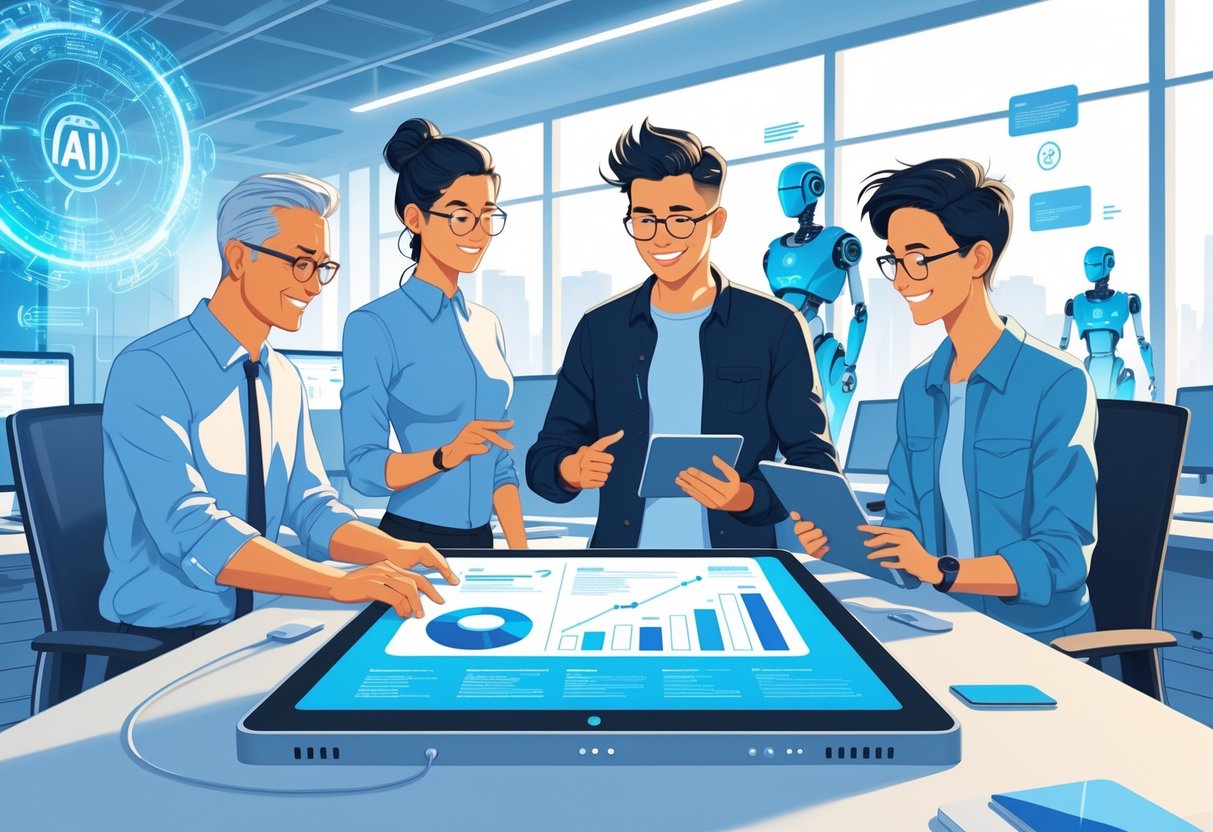
Interestingly, despite being digital natives, younger workers demonstrate more wariness toward AI. According to research, while 62 percent of 35-44 year-old employees report high AI expertise, only 50 percent of Gen Z workers claim the same confidence level. This expertise gap creates both challenges and opportunities as companies navigate the complex terrain of generational differences in AI adoption and implementation.
Key Takeaways
- Different generations exhibit varying levels of comfort with AI, requiring tailored approaches to training and implementation in the workplace.
- AI tools can supplement skill gaps across generations while simultaneously creating new challenges that organizations must proactively address.
- Successful AI integration depends on understanding generational perspectives and developing inclusive strategies that address specific concerns about job security, privacy, and ethical implications.
Understanding Generational Differences in the Workplace
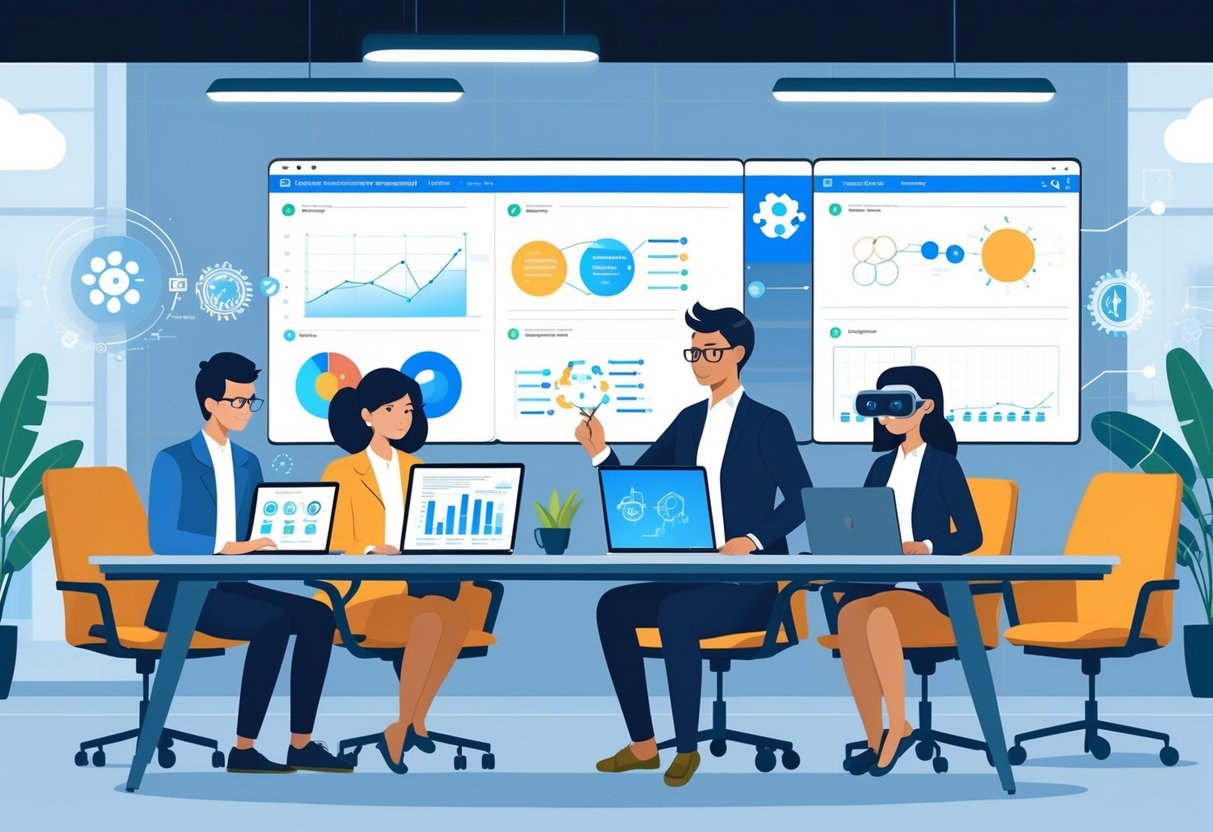
Each generation brings distinct perspectives, work styles, and technological aptitudes to today's diverse workplace. These differences significantly impact how employees interact with emerging technologies like AI and influence organizational communication dynamics.
Defining Gen X, Gen Y (Millennials), and Gen Z
Gen X (born 1965-1980) represents a bridge between traditional and digital work environments. Often called the "sandwich generation," they balance caring for aging parents and raising children while maintaining careers.
Gen Y or Millennials (born 1981-1996) grew up during the internet boom and early mobile technology adoption. They witnessed the transition from analog to digital systems and typically value work-life balance and purpose-driven careers.
Gen Z (born 1997-2012) are true digital natives who have never known a world without smartphones and social media. They tend to be entrepreneurial, pragmatic about job security, and radically different from Millennials in their approach to careers and success.
Technological Adoption Across Generations
Different generations show varying levels of comfort with workplace technology:
Gen X: Approximately 47% report using AI at work with mixed feelings about its implementation. They often appreciate technology that streamlines workflows without replacing human judgment.
Millennials: Generally quick adopters of new workplace technologies with 58% believing AI will change their everyday lives. They tend to embrace collaborative digital tools and automation.
Gen Z: The most technologically fluent generation with 70% already using Generative AI. They naturally integrate AI tools into workflows and expect cutting-edge technology in the workplace.
Workplace Expectations and Communication Styles
Communication preferences vary significantly across generations, impacting collaboration and AI adoption:
Gen X typically values direct communication and face-to-face meetings for important discussions. They often prefer email for formal documentation and appreciate clear hierarchical structures.
Millennials tend to embrace collaborative platforms, messaging apps, and video conferencing. They typically seek frequent feedback and value transparency from leadership regarding technological changes.
Gen Z gravitates toward brief, visual communications like video messaging and instant messaging platforms. They expect immediate responses and define workplace success differently than previous generations.
Effectively managing generational diversity requires organizations to develop flexible communication strategies and training approaches that acknowledge these differences without reinforcing stereotypes.
Key Challenges of Integrating AI for Gen X Employees
Generation X faces distinct obstacles when adapting to AI technologies in the workplace, often stemming from their unique position between traditional work methods and digital transformation. Their challenges typically revolve around change management, skill adaptation, and concerns about career longevity.
Addressing Resistance to Change
Gen X employees, born between 1965 and 1980, often demonstrate more hesitation toward AI adoption compared to younger generations. This resistance frequently stems from their formative professional years occurring before widespread digitization.
Many Gen X workers have established successful careers using traditional methodologies and may view AI integration as disrupting proven workflows. Their skepticism is not necessarily about technology itself but about changing systems that have served them well.
Primary resistance factors:
- Established routines and proven workflows
- Concerns about AI reliability and accuracy
- Preference for human judgment over algorithmic decisions
- Limited exposure to AI concepts during formative education
Organizations can mitigate resistance by implementing gradual adoption strategies that demonstrate clear benefits rather than forcing wholesale changes. Involving Gen X employees in implementation decisions significantly increases buy-in and reduces pushback.
Bridging Skills Gaps
Gen X workers often face a technical knowledge divide when confronting advanced AI systems. Unlike Gen Z who grew up with digital tools, many Gen X employees must acquire entirely new technical foundations.
Continuous learning represents a key strategy for Gen X to remain relevant in AI-driven workplaces. This generation must balance learning complex new skills while leveraging their substantial industry experience.
Critical skill development areas:
- Basic programming concepts
- Data literacy and interpretation
- AI prompt engineering
- Collaborative work with automated systems
The learning curve can be steep, particularly for those without technical backgrounds. Tailored training programs that acknowledge existing expertise while building new competencies prove most effective for this demographic.
Maintaining Job Security
Despite being less worried about AI replacing their jobs than younger generations, Gen X employees still harbor legitimate concerns about career longevity. Many are at peak earning stages with significant financial responsibilities.
Job security anxieties often manifest differently for Gen X. Rather than fearing immediate replacement, they worry about gradual obsolescence as AI technologies evolve and younger, more tech-savvy workers enter the workforce.
Security enhancement strategies:
- Developing unique complementary skills that work alongside AI
- Focusing on leadership and strategic roles that require human judgment
- Emphasizing interpersonal abilities that AI cannot replicate
- Cultivating mentor relationships with younger employees
Organizations should clearly communicate how Gen X employees' experience creates value that AI cannot replace. Transparent career pathing that integrates AI augmentation rather than replacement helps alleviate security concerns for this demographic.
Navigating AI Adoption for Gen Y (Millennials) in the Workplace
Millennials occupy a unique position in today's AI-driven workplace, balancing digital fluency with established career paths. They demonstrate particular patterns in AI adoption that differ from both older and younger generations, with 34% reporting they never use generative AI at work despite their technological comfort.
Aligning with Career Growth Opportunities
Millennials view AI technologies primarily through the lens of career advancement and skill development. They seek clear connections between AI adoption and their professional trajectory.
Key Drivers for Millennial AI Adoption:
- Professional development opportunities
- Enhanced productivity metrics
- Skills that increase market value
Millennials respond positively to AI tools that offer concrete evidence of career benefits. Organizations succeed when they provide specialized training that demonstrates how AI enhances, rather than threatens, their established career paths.
Many millennial professionals prioritize mentorship in AI adoption. Peer-learning communities where they can both teach and learn AI applications create engagement and overcome resistance.
Companies that implement formal recognition programs for AI proficiency see higher adoption rates among this generation, who value credentials and professional acknowledgment.
Managing Expectations for Work-Life Balance
Millennials expect AI to deliver on promises of improved work-life balance, having witnessed multiple waves of workplace technology. They approach AI with practical skepticism.
Work-life integration remains a top priority for this generation. Successful AI implementation addresses:
Millennial Work-Life Expectations:
| Expectation | Implementation Strategy |
|---|---|
| Flexibility | AI tools accessible across devices and locations |
| Time savings | Clear metrics on hours saved through automation |
| Reduced busywork | Transparent explanation of which tasks are automated |
Organizations find success by demonstrating how AI handles routine tasks, freeing millennials for strategic work. This generation values transparency about which responsibilities remain human-centered.
Millennial employees respond well to AI tools that offer customization. Allowing personalization of AI assistants to match individual work styles increases adoption rates.
Building Trust in Automated Processes
Trust development follows a distinct pattern for millennials, who require both data and personal experience to embrace AI systems fully. They need to understand not just what AI does, but how it makes decisions.
Millennial professionals approach AI with different needs and trust levels compared to other generations. Organizations must address these unique concerns directly.
Trust-Building Approaches:
- Clear documentation on AI decision parameters
- Opportunities to review and override automated decisions
- Regular updates on system improvements based on user feedback
Ethical considerations matter significantly to this generation. Companies that provide transparency about data usage and algorithm design see higher engagement from millennial employees.
Hands-on experimentation proves crucial for building millennial trust. Pilot programs allowing low-risk AI testing before full implementation significantly increase long-term adoption rates and confidence.
Opportunities and Barriers for Gen Z Employees
Generation Z faces unique challenges and advantages when integrating AI into their work environments. Their digital upbringing provides technological fluency, yet they express significant concerns about AI's impact on job security and workplace dynamics.
Leveraging Digital Natives' Skills
Gen Z employees bring inherent technological advantages to AI implementation in the workplace. Having grown up with smartphones and social media, they typically demonstrate greater comfort with new digital interfaces and adaptive technologies. This digital fluency allows them to learn AI systems more intuitively than older generations.
Organizations can capitalize on Gen Z's technological aptitude by:
- Establishing reverse mentoring programs where younger employees guide senior staff
- Creating innovation labs with Gen Z-led teams exploring new AI applications
- Developing AI training materials that build upon their existing digital skills
Despite these advantages, research indicates Gen Z workers are more worried about AI threatening their jobs than their Gen X counterparts. This paradox requires thoughtful management approaches that validate their skills while addressing legitimate concerns.
Mitigating Inexperience with Workplace AI
While technologically adept, Gen Z faces significant barriers regarding workplace AI implementation due to their limited professional experience. Unlike older colleagues, they haven't witnessed multiple technological transitions in workplace settings, potentially causing uncertainty about how AI transforms established processes.
Current research shows that only 50% of 18-24 year old Gen Zers report high AI expertise, compared to 62% of 35-44 year olds. This gap highlights the difference between casual technology use and professional AI application.
Effective solutions include structured AI onboarding programs specifically designed for early-career professionals. These programs should emphasize practical applications rather than theoretical capabilities, connecting AI tools to concrete workplace outcomes.
Job rotations across departments using different AI applications can also broaden Gen Z's understanding of enterprise-wide AI implementation, building confidence through diverse exposure.
Supporting Mental Wellbeing Amid Technological Change
Gen Z employees demonstrate heightened concerns about technological workplace changes compared to other generations. This anxiety stems from legitimate economic factors including student debt, housing insecurity, and entering the workforce during periods of economic volatility.
Organizations can implement several evidence-based approaches to address these concerns:
- Transparent communication about AI implementation timelines and impact on roles
- Skills development guarantees ensuring employees receive training before AI changes affect their positions
- Regular check-ins focused specifically on technology-related stress
Creating psychologically safe environments where Gen Z can express technology concerns without fear of appearing resistant to change proves crucial. Companies should recognize that this generation has a unique perspective on careers and workforce success that may differ from previous generations.
Mental health resources should specifically address technology-induced anxiety, acknowledging it as a legitimate workplace concern rather than a personal failing.
Strategies for Successful AI Integration Across Generations
Effective AI implementation requires approaches that accommodate the diverse needs and attitudes of different generational groups in the workplace. Tailored methods that respect both tech-savvy younger employees and experienced older workers can transform potential resistance into productive adoption.
Personalized Training and Upskilling Programs
Different generations require distinct training approaches to embrace AI tools effectively. Gen Z employees often benefit from advanced AI applications with greater autonomy, while Gen X may prefer more structured, comprehensive learning paths.
Generational Training Preferences:
- Gen X: Step-by-step documentation, hands-on workshops, practical applications
- Gen Y: Blended learning, self-directed modules with mentorship
- Gen Z: Micro-learning, interactive tools, peer-based knowledge sharing
Organizations should implement skills assessment tools to identify specific knowledge gaps across generations. This enables the creation of personalized learning pathways rather than one-size-fits-all approaches.
Regular skill refreshers maintain competency as AI systems evolve. Companies experiencing successful adoption typically allocate 4-6 hours monthly for continuous AI training across all generational groups.
Encouraging Intergenerational Collaboration
Bridging generational learning gaps through collaborative approaches leverages each group's strengths. Reverse mentoring programs pair tech-savvy younger employees with experienced senior staff for mutual knowledge exchange.
Cross-generational project teams working on AI implementations benefit from diverse perspectives. These teams should include representatives from each generation to ensure solutions address varied working styles and preferences.
Innovation labs or hackathons focused on AI applications create space for collaborative problem-solving. When different generations work together on practical challenges, they develop shared understanding and appreciation for diverse approaches.
Digital collaboration tools with varying complexity levels accommodate different technical comfort zones. Organizations should provide multiple communication channels that respect each generation's preferred interaction methods.
Transparent Communication Around AI Implementation
Clear messaging about AI's purpose eliminates misconceptions and builds trust across all generations. Organizations must explicitly communicate how AI will enhance—not replace—human work.
Effective Communication Strategies:
| Generation | Key Concerns | Messaging Focus |
|---|---|---|
| Gen X | Job security, skill relevance | Emphasize augmentation, not replacement |
| Gen Y | Career advancement, efficiency | Highlight new opportunities and work-life balance |
| Gen Z | Ethical considerations, growth | Stress innovation potential and values alignment |
Regular town halls and feedback sessions provide forums for addressing concerns. Decision-makers should explain the "why" behind AI implementations, not just the "what" and "how."
Companies should develop AI roadmaps that outline implementation phases and expected impacts. This transparency helps employees understand how AI will coexist with their roles over time.
Fostering an Inclusive Transformation Culture
Creating an environment where all generations feel valued during technological change is essential. Leadership must actively demonstrate commitment to supporting employees through the transition.
Recognition programs should highlight AI adoption success stories across age groups. Celebrating diverse approaches to integration reinforces that innovation isn't age-dependent.
Change champions from each generation can serve as advocates within their peer groups. These individuals help translate organizational objectives into relevant benefits for their generational cohorts.
Understanding generational attitudes toward AI enables organizations to develop targeted adoption strategies. Companies should conduct regular pulse surveys to measure sentiment and adjust approaches accordingly.
Organizations achieving the highest AI maturity levels maintain cultures that value both technological innovation and human expertise. They consistently emphasize that successful transformation requires the distinct contributions of all generations working in harmony.
Addressing Ethical and Privacy Concerns in AI-Driven Workplaces
As AI systems become more integrated into workplaces, organizations must confront significant ethical and privacy considerations that affect employees across generations. These concerns require deliberate policies and practices to protect individual rights while maintaining organizational efficiency.
Establishing Robust Data Protection Policies
Organizations implementing AI must develop comprehensive data protection frameworks that clearly define what employee data is collected and how it's used. This includes explicit consent mechanisms for data collection and processing that respect employee autonomy.
Regular privacy impact assessments should be conducted before deploying new AI tools that interact with employee data. These assessments help identify potential vulnerabilities and ensure compliance with regulations like GDPR and CCPA.
Companies should implement data minimization principles, collecting only information essential to the AI system's function. This approach reduces risk exposure while building trust with employees who may have concerns about workplace surveillance.
Transparency in AI operations is crucial - employees deserve to know when AI is being used to monitor, evaluate, or make decisions about their work. Organizations should provide clear documentation on:
- Types of data collected
- Duration of data storage
- Third parties with access to the data
- Employee rights regarding their personal information
Ensuring Fairness and Reducing Algorithmic Bias
AI systems can inadvertently perpetuate or amplify existing workplace biases, creating unequal outcomes across different demographic groups. Regular algorithmic audits should be conducted to identify and correct biases in AI-driven decision systems.
Diverse teams should be involved in AI development and implementation to bring varied perspectives that can identify potential discrimination issues. This diversity helps ensure AI systems work equitably across generations from Gen Z to Gen X.
Organizations should establish clear accountability frameworks specifying who is responsible when AI systems produce problematic outcomes. Human oversight remains essential for AI-driven decisions that significantly impact employees.
Training programs must be developed to help employees understand how AI makes decisions and when to question potentially biased outcomes. These programs should be tailored to different generational learning preferences, acknowledging that Gen Z and Millennials may have different concerns than Gen X.
AI implementation should prioritize meaningful human work by enhancing employee capabilities rather than merely replacing tasks. This approach helps maintain job satisfaction while leveraging AI's potential.
Measuring the Impact of AI on Employee Engagement and Productivity
Organizations need robust metrics to understand how AI tools affect their workforce. Recent studies have revealed significant productivity gains and varied engagement levels across different age groups when implementing AI solutions.
Evaluating Performance Across Generations
Performance measurement frameworks must adapt to capture AI's influence on different generations. Research shows that AI tools can increase productivity by approximately 14%, measured through metrics like resolution rates per hour.
Gen Z and Millennials typically demonstrate faster adoption rates and skill acquisition with AI tools, while Gen X employees show more measured integration. About 47% of Gen X employees report using AI in the workplace, with mixed feelings about its implementation.
Key performance indicators to track include:
- Task completion time before and after AI implementation
- Quality metrics comparison (error rates, customer satisfaction)
- AI tool utilization rates by generational cohort
- Skill development progress through learning curves
Tracking Job Satisfaction and Retention
Employee engagement metrics reveal critical insights about AI acceptance across generations. Studies investigating employee perceptions of AI implementation show that change leadership approaches significantly impact engagement levels.
Interestingly, Gen Z and Millennial workers express more concern about AI threatening their jobs than Gen X counterparts. This anxiety can manifest in retention statistics if not properly addressed.
Organizations should implement regular pulse surveys to gauge sentiment about AI tools. These should measure:
- Perceived usefulness of AI applications
- Comfort levels with technology adoption
- Clarity of AI's role in career development
- Feelings of job security amid technological change
Training participation rates and voluntary AI tool usage provide behavioral indicators of engagement beyond self-reported measures.
Future Trends: Evolving AI Roles and Intergenerational Collaboration
Workplace AI integration is rapidly transforming traditional career paths while creating new opportunities for cross-generational knowledge exchange. Different age groups bring unique perspectives to technology adoption that can strengthen organizational resilience.
Anticipating New AI-Driven Job Functions
The workplace of tomorrow will likely see AI Orchestrators emerge as key roles—professionals who coordinate between AI systems and human teams. These positions will require both technical understanding and strong interpersonal skills to ensure AI tools enhance rather than replace human capabilities.
Gen Z and Millennial workers typically express more concern about AI replacing their jobs compared to Gen X. However, this anxiety may drive younger generations to develop specialized skills that complement AI.
AI Ethics Officers will become increasingly important, with Gen X bringing valuable perspective on establishing boundaries between automation and human judgment. Their experience with pre-digital workflows provides crucial context for ethical implementation.
Collaborative AI systems are expected to enhance team communication across generations, creating roles focused on facilitating this integration. Organizations will need liaison positions to bridge technology gaps between different age cohorts.
Preparing for Lifelong Learning Pathways
Continuous skill development will become the norm rather than the exception as AI evolution accelerates. Companies are increasingly implementing personalized learning platforms tailored to different generational preferences for technology adoption.
Reverse mentoring programs show particular promise, with Gen Z teaching AI fluency while gaining institutional knowledge from Gen X. These exchanges create bidirectional learning that strengthens organizational resilience.
Each generation's unique relationship with technology will shape how they approach AI upskilling. Gen X often prefers structured, deliberate learning paths, while younger cohorts may adopt experimental approaches.
Organizations are beginning to implement "AI labs" where employees across generations collaborate on practical applications. These innovation spaces recognize that AI is viewed as a valuable efficiency tool rather than a threat when properly introduced.
Conclusion
The integration of AI into the workplace presents distinct challenges and opportunities for each generation. Gen Z shows the highest adoption rates with 75% already using generative AI at work, though they express more concern about AI's impact on job security than older generations.
Millennials (Gen Y) demonstrate a balanced approach, leveraging AI while maintaining critical human skills. Interestingly, Gen X appears less worried about AI threats to their careers compared to younger colleagues, possibly due to their established workplace experience.
Each generation brings valuable perspectives to AI integration. Gen Z contributes digital fluency, Millennials offer adaptability, and Gen X provides institutional knowledge and leadership experience.
Successful organizations will implement cross-generational mentoring programs to facilitate knowledge sharing. Reverse mentoring allows younger employees to share AI expertise while receiving professional guidance from experienced colleagues.
Companies must develop customized training approaches for each generation's learning preferences and baseline technical knowledge. Transparent communication about AI implementation helps address concerns about job displacement.
The most effective workplaces create an environment where AI augments human capabilities rather than replacing them. When properly integrated, AI tools enhance productivity across generations while preserving the uniquely human skills that remain irreplaceable in the modern workplace.
Comments
Post a Comment