From Firefighting to Leading: Using AI to Streamline People Management for Enhanced Team Performance
Many managers find themselves constantly putting out fires, dealing with urgent personnel issues, and getting bogged down by tedious administrative tasks. Artificial intelligence is changing the game, offering practical solutions to automate repetitive work and free up leaders’ time for high-impact decisions. AI enables leaders to shift from reactionary firefighting to proactive, strategic people management.
With the help of smart AI tools, team leaders can simplify chaos, streamline communication, and focus more on guiding their teams rather than micromanaging everyday details. New platforms are making it easier than ever to delegate routine activities, gain real-time insights, and support confidential employee needs with accuracy and speed.
Key Takeaways
- AI moves leaders from reactive management to strategic leadership.
- Smart tools help simplify and automate daily team tasks.
- Embracing AI fosters a forward-thinking workplace culture.
Transforming People Management with AI

AI is changing how organizations handle people management by automating complex processes, reducing errors, and increasing transparency. This transition impacts leadership styles, the identification of workplace inefficiencies, and data-driven decision-making in HR.
From Reactive to Proactive Leadership
Traditional people management often involves responding to issues after they arise. AI allows managers to anticipate problems by analyzing patterns in real time, such as attendance anomalies or productivity dips.
For example, automated systems can flag early signs of disengagement by monitoring factors like sudden changes in work output or employee sentiment in feedback. This enables leaders to intervene before small issues escalate, fostering a more proactive work culture.
Predictive capabilities mean managers can now focus more on coaching and developing teams instead of constantly firefighting. AI-driven solutions help create structured feedback loops, making it easier to address concerns and nurture talent consistently.
Identifying Bottlenecks and Inefficiencies
Identifying process bottlenecks can be challenging when relying solely on human observation. AI can systematically track workflow metrics such as approval times, workload imbalances, or frequent handoff delays.
For instance, employee onboarding may stall due to repeated manual data entry. AI detects these slow points and suggests optimizations like automated form filling or smart scheduling tools. This reduces administrative burden and enhances overall efficiency.
Organizations leveraging these insights, as outlined in AI-powered HR platforms, can streamline daily tasks and free up staff for higher-value activities. The process becomes more transparent, and teams can prioritize work better.
Enabling Strategic Decision-Making
Data-driven decisions are increasingly critical in HR. AI aggregates and analyzes employee performance data, turnover rates, and engagement trends to support objective evaluations.
Tools equipped with AI offer personalized insights for hiring, promotion, and training approaches. By preventing unconscious bias, these systems help ensure fairness, as noted in recent studies on AI in HR.
Clear dashboards and automated reports make it easier for leaders to see organizational health at a glance. This empowers managers to allocate resources more effectively and align people management strategies with wider business goals.
AI Tools for Streamlining Team Leadership
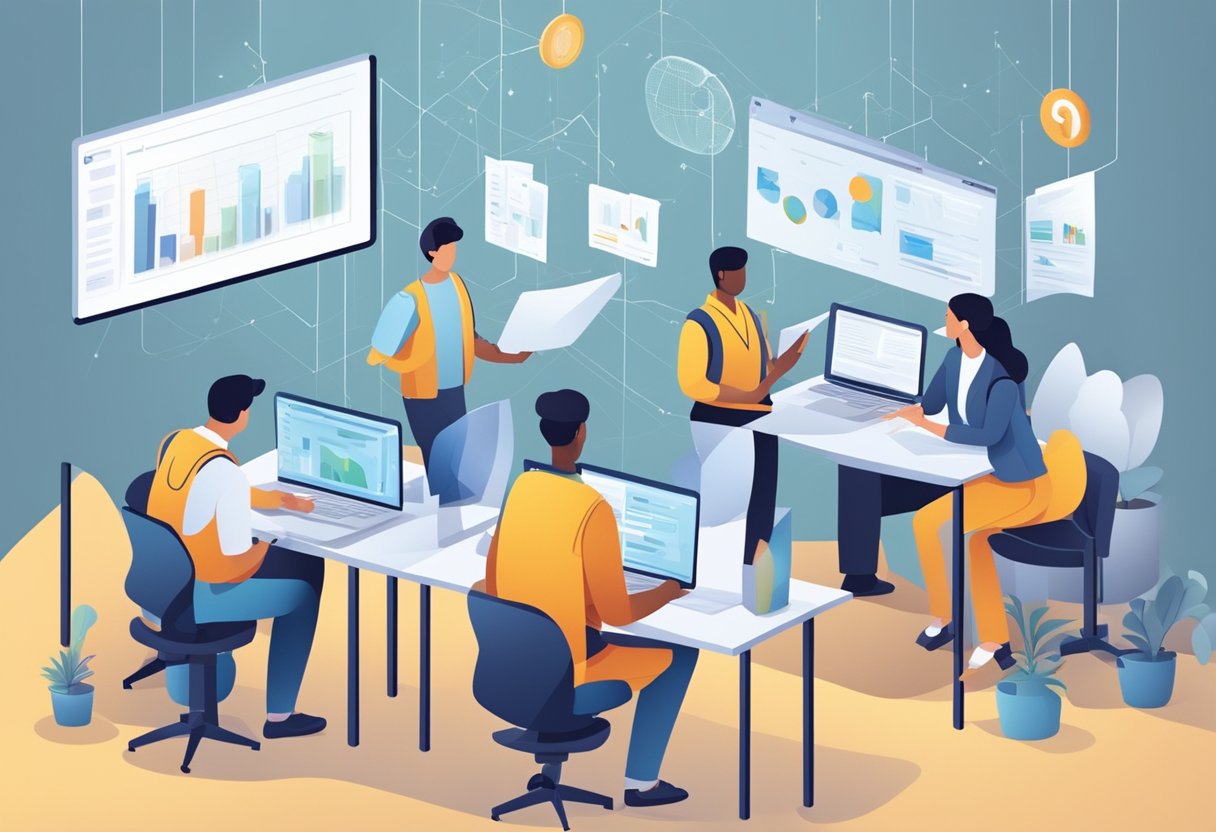
AI tools now enable managers to efficiently monitor employee performance, enhance internal communication, and forecast workforce requirements. These systems are designed to help leaders allocate resources, minimize manual tasks, and make data-driven decisions for their teams.
Automated Performance Tracking
Automated performance tracking uses AI to collect and analyze data on employee productivity, goal achievement, and engagement. These tools monitor key metrics—such as project completion times, attendance, and skill development—without the need for constant manual input.
Performance management platforms like Peoplebox provide real-time dashboards and visual reports, letting managers quickly spot top performers or those needing additional support. AI-driven systems can also suggest personalized training or coaching based on an individual’s progress.
Automating these processes removes bias and allows for consistent, objective feedback. This saves supervisors time and ensures everyone receives fair and relevant evaluations.
AI-Powered Communication Enhancements
AI-powered communication enhancements support leaders in managing distributed or hybrid teams. With natural language processing and sentiment analysis, AI tools can sort, prioritize, and even recommend responses to large volumes of messages.
Some solutions offer automated meeting summaries, highlight key discussion points, and generate follow-up task lists. This helps managers ensure information is shared clearly and no critical communication is missed. Features like chatbots can answer routine HR questions, letting leaders focus on complex issues.
These tools also analyze communication patterns to identify trends such as engagement drops or frequent misunderstandings. By surfacing actionable insights, AI strengthens team alignment and morale.
Predictive Analytics for Workforce Needs
Predictive analytics uses AI algorithms to examine historical data and forecast future staffing requirements. These tools evaluate trends like seasonal demand, skill shortages, turnover rates, and project pipelines to recommend optimal schedules and hiring plans.
Managers can use predictive analytics to prevent overstaffing or understaffing, adjust workloads, and plan for training needs before issues arise. Platforms featured in workforce management forums now integrate these capabilities, enabling data-driven, proactive leadership.
By leveraging predictive insights, organizations reduce costs, improve team performance, and align resources with upcoming business objectives. This approach results in smoother operations and better use of available talent.
Implementing AI in Daily Management Tasks
AI brings precision and data-driven insights to daily people management. Teams benefit from streamlined operations and smarter decision-making processes with less administrative burden.
Optimizing Scheduling and Resource Allocation
AI-driven systems use historical data to predict demand and match staffing needs. Fire departments now automate shift scheduling, vacation tracking, and overtime assignment with real-time adjustments. This minimizes manual errors and ensures appropriate coverage for every shift.
By analyzing call volumes, incident types, and staff qualifications, these solutions create efficient schedules. Leaders get alerts about potential staffing gaps or emergencies, which helps reduce burnout and improves staff well-being. AI can also consider training certifications, ensuring the right personnel are available for specialized responses.
Many departments have reported increased efficiency and fewer scheduling conflicts since integrating AI. Tools like roster management and automated notifications further reduce administrative time. More details on these benefits are discussed at FireRescue1.
Personalizing Employee Engagement
AI enables tailored communication and feedback for each employee. Systems analyze performance data and engagement metrics to provide personalized suggestions for training or recognition. For example, staff who excel in certain scenarios may receive targeted recommendations for advanced development opportunities.
Supervisors can use dashboards that highlight employees needing support, recent achievements, or potential risk factors. Individualized surveys and automated check-ins help leaders proactively address issues before they escalate. Personalized engagement fosters a positive work environment and higher retention.
AI-powered platforms also streamline recognition and reward programs. Employees receive acknowledgments for milestones and contributions without manual tracking, which enhances motivation and morale. See how some fire service organizations improve engagement using AI at LinkedIn.
Comments
Post a Comment